A Simplified Guide to Commercial Office Space Classifications: Class A, Class B, Class C
From corporate headquarters to hybrid office models, the definition of workspace has experienced a significant transformation in recent years. Commercial office buildings are no longer designed solely for productivity. Instead, they have become hubs for collaboration, innovation, and community. When designed with intention, modern workspaces are a physical embodiment of a company’s culture and a catalyst for employee inspiration.
This reimagined focus on the office environment is driving new opportunities for companies to invest in commercial real estate as a business asset. Jones Lang LaSalle (JLL), an authority on global commercial real estate, reported a post-pandemic high in office leases this year. However, successful commercial office development requires business leaders to rethink the value of corporate property.
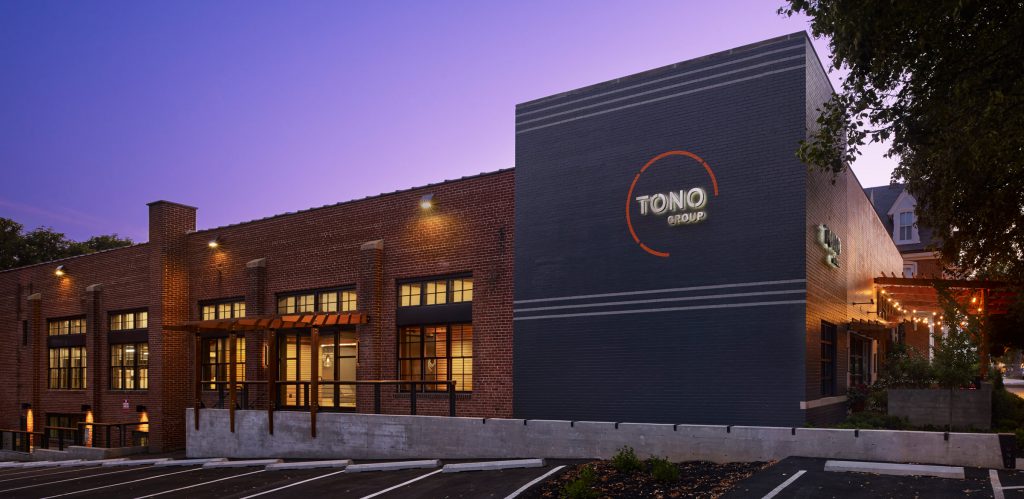
“Office spaces are an essential part of a company’s culture,” shares Sharlee Van Tine, AIA, LEED AP, Managing Director at TONO Group. “When approaching an office development project, it’s important to understand how the space will relate to an organization’s business model and its people.”
For business owners evaluating a new workplace, understanding office classifications—Class A, Class B, and Class C—provides a helpful starting point. These categories often communicate a building’s overall quality, amenities, and location.
Commercial Office Spaces Explained: An Architect’s Guide for Business Owners
Commercial building classifications are not defined by a universal standard. Instead, they are largely influenced by the characteristics of the local market. Class A buildings in a major metropolitan area will look different from the same classification in a smaller city, but both represent the highest-quality office spaces within that region.
For example, West Chester, Pennsylvania is often considered a secondary market of Philadelphia. This proximity provides access to a broader talent pool that often expects amenities similar to those available in metropolitan areas. However, the suburban location blends a unique characteristic of charm making even highly equipped Class A buildings smaller than what may be common within larger markets. Comparatively, Lancaster is often considered the larger city within its market. Buildings are typically ranked based on proximity to the city’s thriving downtown, views from office spaces, and artistically inspired interiors.
Understanding commercial building class distinctions can provide a starting point to help business leaders evaluate commercial office spaces. However, throughout the process, it is also important for companies to evaluate their programmatic and spatial needs as well as their projected growth and long-term goals.
In addition to the size of the facility, organizations should also consider how the workplace can support their employees and stakeholders. For some companies, functionality may take precedence, while others may find greater value in developing amenities and spaces that draw their employees back to the office.
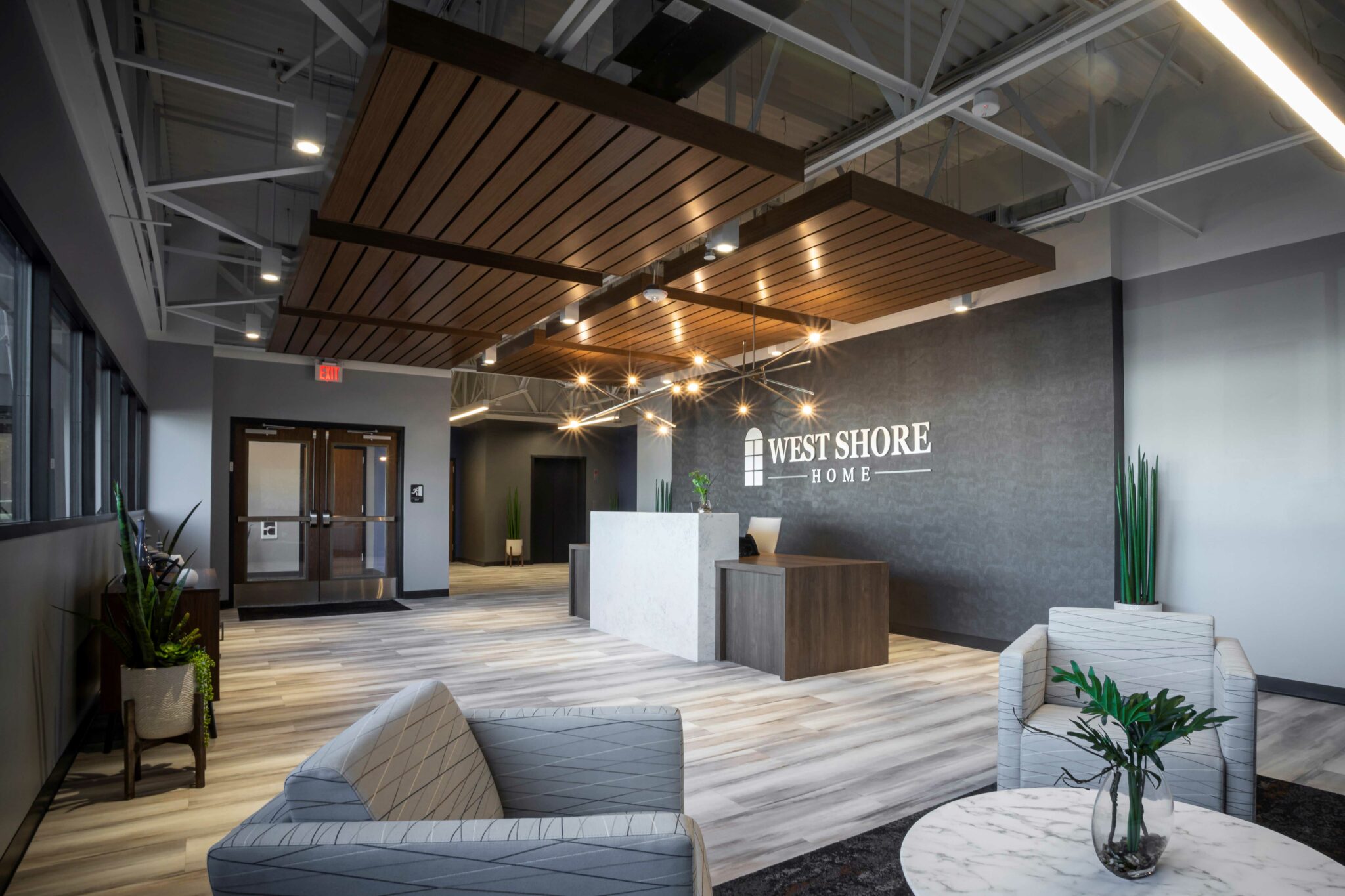
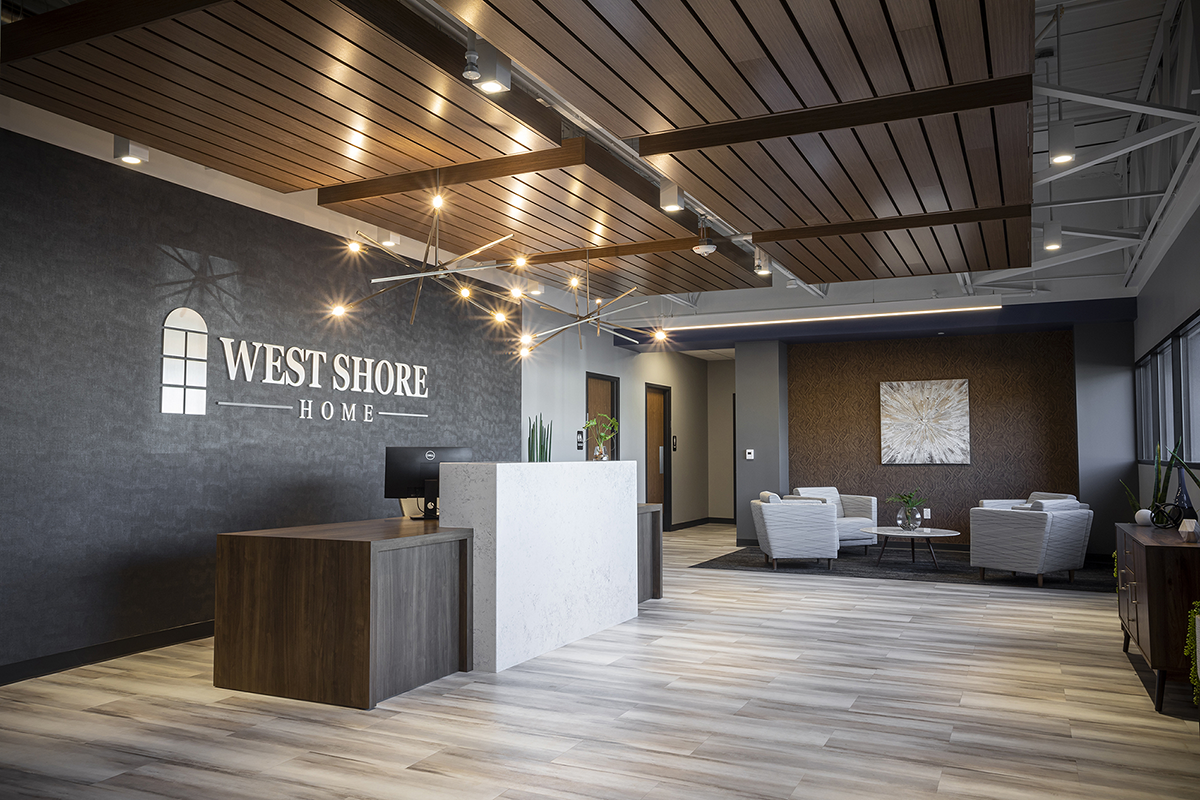
At TONO, our integrated approach allows us to look beyond the building footprint to see how each unique space can be aligned to a company’s operations, culture, and future vision. For example, when West Shore Home, a national leader in residential remodeling, was ready to expand their Mechanicsburg, Pennsylvania office, our team worked with the company’s leadership to develop a feasibility study before committing to a new building location. This strategic step not only allowed the company to confidently select the commercial office space that was right for their vision, it also provided a framework to develop a new corporate branding model that was implemented throughout each of the company’s office and showroom locations.
Commercial Office Classifications:
Class A
Class A commercial office buildings are generally considered the highest-quality office spaces within a local market. They typically offer premium locations, modern amenities, and an elevated level of design. These spaces transcend the traditional, function-first work environment to incorporate hospitality style amenities, luxurious finishes, and modern technology infrastructures.
Class A office spaces are typically distinguished by the experience they create from the moment a client or employee enters the premises. This is often marked by expansive and thoughtfully designed lobbies that immediately establish the organization’s identity and culture.
Employee-focused amenities that encourage connection, innovation, and wellness are also hallmarks of the Class A office design. Flexible seating, collaborative spaces, and quiet areas that appeal to various work styles provide comfort and adaptability for both in-house and hybrid teams. Onsite cafés, recreational spaces, and wellness facilities support a balance between productivity and restoration. High-performance building systems enable advanced technology to be integrated, creating a smart and reliable environment. Additionally, some companies may incorporate broader values into the building design such as specifying sustainably made or locally sourced materials.
By designing these office spaces around the way employees interact and how the organization wants to be perceived by the public, Class A office buildings can become an extension of a company’s culture, enhancing the employee experience and reinforcing the organization’s brand.

The development of SEI Wetlands, a 32,000-square-foot corporate campus located in Oaks, Pennsylvania, highlights the convergence of employee-focused amenities and innovation capable within Class A office design. Our team built upon an open floor plan integrating both collaborative and quiet working spaces to provide the flexibility necessary for modern workplaces to thrive. Strategically placed acoustical elements were integrated to ensure comfort and productivity within each unique space. Outdoor seating areas and an expansive café were also incorporated to strengthen opportunities for employee connection. Throughout the design, accents of bold color and expansive outdoor views reflect the vibrancy of the company’s brand and culture.
Class B
While Class B commercial office buildings may not feature the premium amenities or market prestige associated with Class A properties, they offer a balance of quality, functionality, and value, making them an attractive option for many organizations.
These buildings typically feature functional common areas and adaptable floor plans that can be tailored to a company’s evolving needs. Rather than focusing on high-end amenities, Class B commercial real estate provides the foundation to create a comfortable workplace while controlling costs.
Updating Class B properties with modern finishes, elevated lighting, reconfigured collaboration spaces, and enhanced technology infrastructure can further transform these environments to support employee engagement and reinforce a company’s brand. For organizations seeking a balance between performance, experience, and investment, Class B office spaces often provide the flexibility to achieve all three.
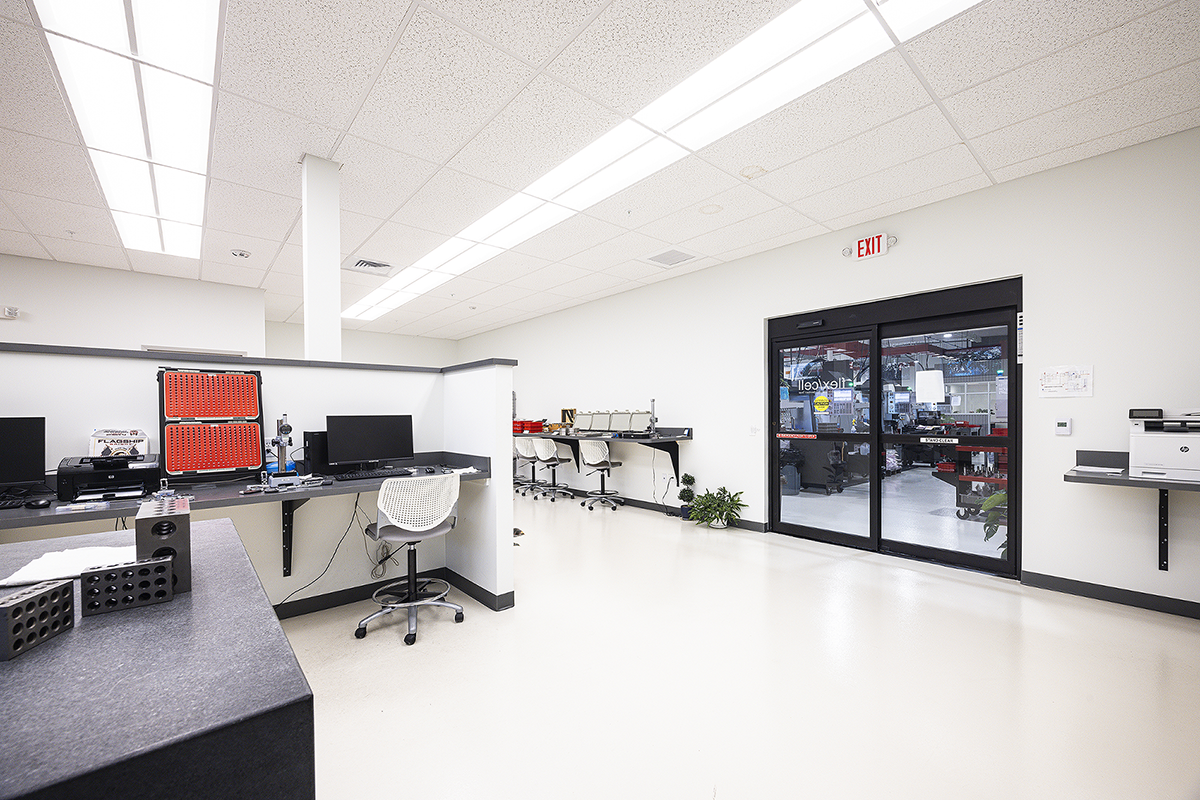
This approach was used to help Flex Cell Precision, a specialized manufacturing plant, expand their Lancaster, Pennsylvania facility. While the majority of the building was dedicated to functional manufacturing, the company also needed some communal and office space to support their employees. TONO Group reimagined the company’s office suite by integrating modern furnishings and enhanced lighting. The clean and bright environment supports the functionality of the teams who use the space while allowing them to remain connected to the company’s manufacturing operations.
Class C
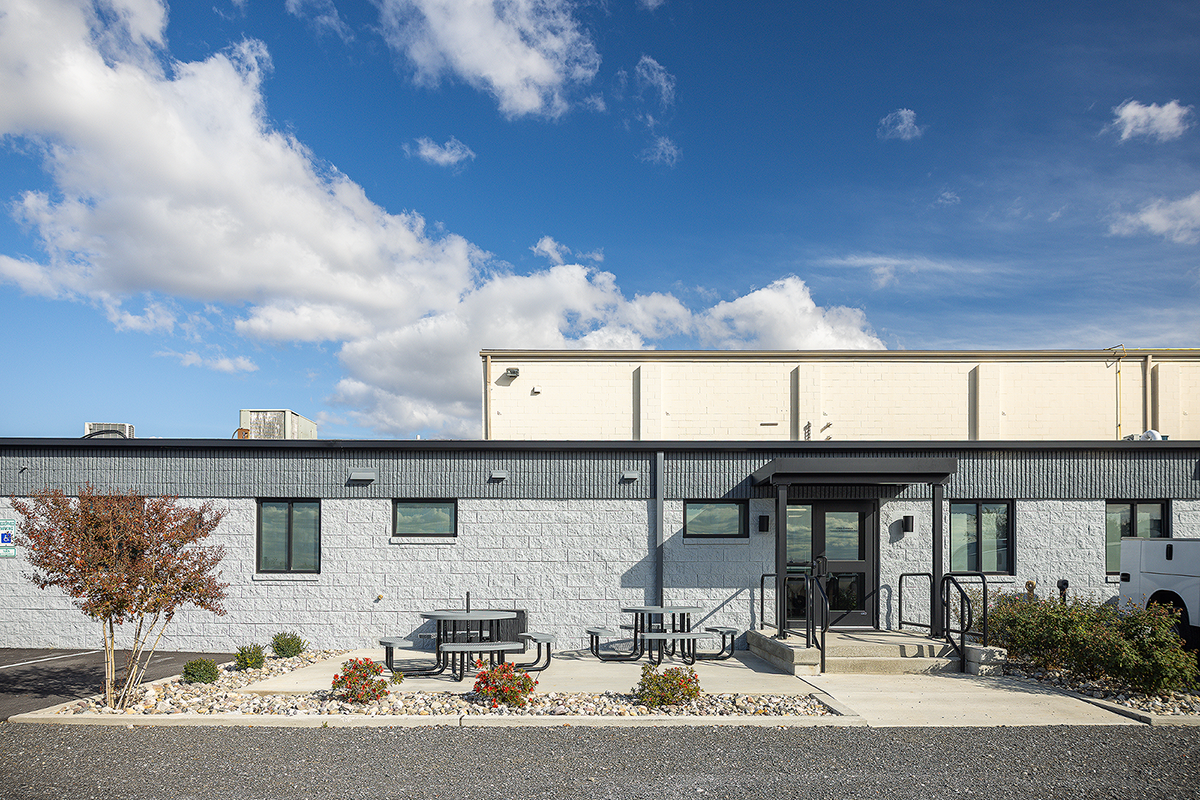
Class C buildings generally represent the most practical tier of commercial office space within a local market. For businesses such as industrial offices or support facilities where function may be prioritized over aesthetics or location, these properties provide an efficient solution. Class C offices may feature more traditional layouts and fewer amenities but from an architectural perspective, they can also present opportunities for thoughtful repositioning.
Strategic enhancements such as elevated furnishings or décor items can significantly enrich employee experience while allowing organizations to preserve the economic advantages of refining an existing property. In this way, Class C office buildings can provide business owners with a foundation that can evolve alongside their organization.
Designing a Meaningful Commercial Workspace
Whether developing a new commercial office building or reimagining an underutilized property, thoughtful design has the power to transform how people connect, collaborate, and thrive. At TONO Group, we start every project with a holistic approach. Our integrated project delivery process brings together our team of architects, interior designers, builders, and developers allowing us to seamlessly deliver commercial building projects from site selection through furnishing.
Explore a sample of our recently completed corporate projects or contact our team when you’re ready to start a conversation about what’s possible for your workplace.
Frequently Asked Questions About Commercial Office Space Classifications in The Mid-Atlantic Area
What is the difference between Class A, Class B, and Class C commercial office spaces?
Class A office spaces are generally the highest-quality properties within a local market, offering premium design, modern amenities, and desirable locations. Class B buildings balance quality, functionality, and value, while Class C buildings typically prioritize practicality and affordability. As TONO Group explains, these classifications vary by market and should be considered alongside a company’s operational needs and long-term goals.
What are the characteristics of Class A commercial office space?
Class A office buildings typically feature high-quality finishes, modern technology infrastructure, thoughtfully designed common areas, and amenities that support employee collaboration, wellness, and productivity. According to TONO Group, these spaces can also reflect an organization’s culture and brand through intentional design.
Is Class B office space a good option for businesses?
Class B office space can offer a balance of functionality, quality, and value. TONO Group notes that improvements to lighting, furnishings, technology infrastructure, and collaboration spaces can help businesses create comfortable, modern workplaces while managing costs.
What is Class C commercial office space best suited for?
Class C commercial office space can be a practical solution for businesses that prioritize functionality and affordability over premium amenities or prominent locations. TONO Group explains that thoughtful improvements to furnishings and décor can enhance the employee experience while preserving the economic advantages of an existing property.
What should businesses consider when choosing a commercial office space?
Businesses should consider their space requirements, operational needs, employee experience, projected growth, and long-term goals. TONO Group recommends looking beyond a building’s classification to evaluate how the workplace can support company culture, daily operations, and future vision. An architectural feasibility study can help business leaders evaluate potential properties before committing to a location.